Clinical Insights
Chinese Medicine Culture: Valued as Treasure, Neglected as Grass
What is the highest clinical ideal of Chinese medicine?
To reach balanced harmony: cold calls for warmth, heat calls for cooling, constraint calls for release, rest and effort must each find their proper place. Milder patterns may be corrected directly, while severe patterns require a more adaptive strategy. The clinical aim is proportion, appropriateness, balance and harmony.
The Doctrine of the Mean places central harmony at the heart of classical Chinese philosophy: balance is the root, harmony is the path, and together they describe an ideal state of life. Chinese medicine's view of yin-yang harmony and physiological balance can be seen as a medical expression of the classical ideal of central harmony.
Within this ideal, Chinese medicine uses the theories of essence-qi, yin-yang and five phases to explain life, physiology and clinical change.
First acupuncture, second moxibustion, then herbs, tui na, cupping and gua sha
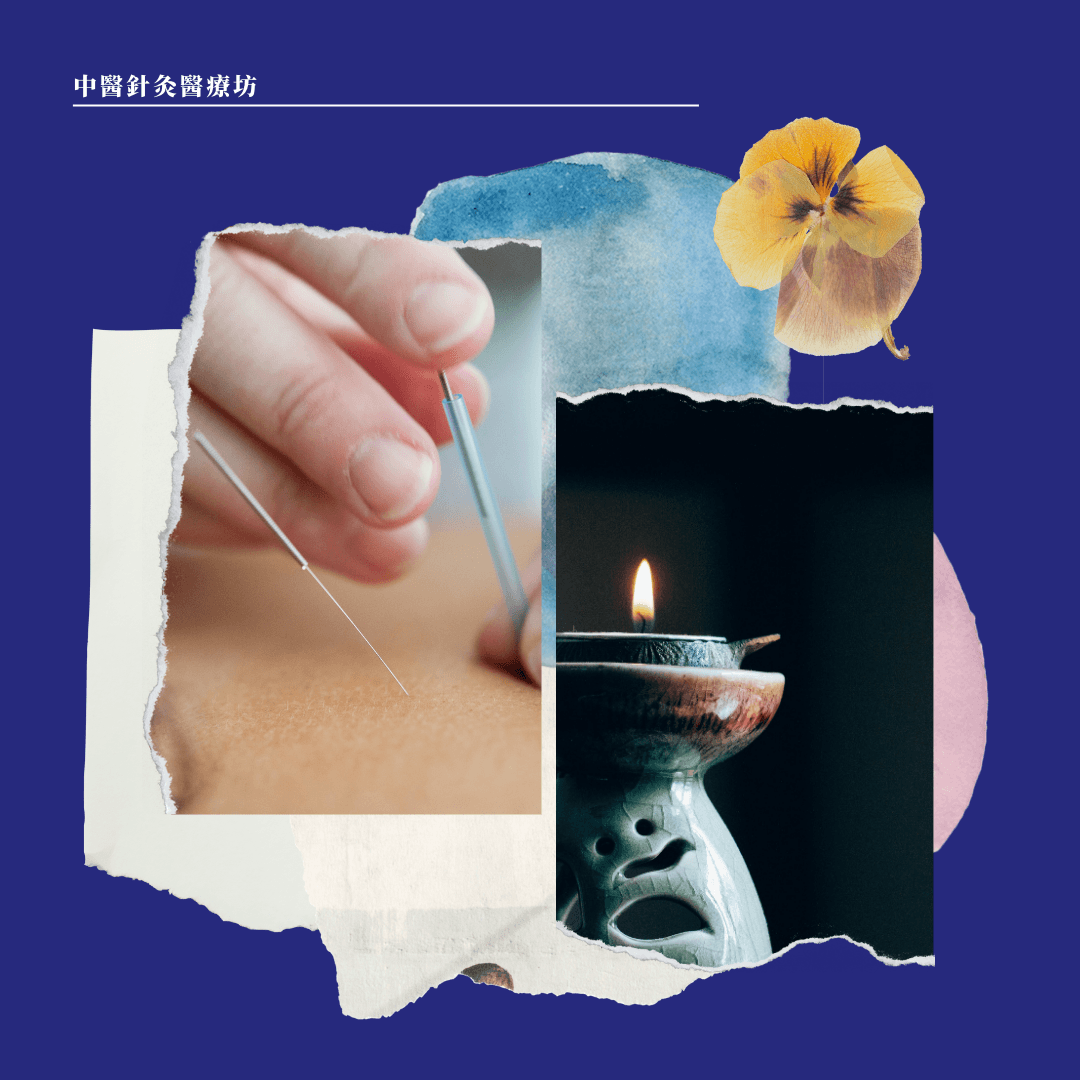
Acupuncture is central to Chinese medicine and an early foundation of energetic medicine: it is not focused only on the named disease, but on the whole person. It is a refined expression of energetic medicine and cannot be fully explained through a purely Western disease-treatment lens. To understand acupuncture fully, one must also understand the Chinese philosophical view of unity between human life and nature.
In Eastern philosophy, energy is a central way of understanding life. Meditation, qigong, acupuncture, herbal medicine, tui na, cupping and bloodletting all relate to this energetic framework. Modern scientific research can provide useful evidence and foundations, but the deeper essence of energetic medicine also depends on its classical philosophical context.
The meridian system is the core of this energetic medicine. Through acupuncture, blocked or weakened energetic pathways are given an opportunity to reconnect with the body's natural regulation.
When deqi is achieved, the patient may feel a gentle soreness, tingling or heaviness at the acupoint, while the practitioner may feel a subtle weighted response through the needle. In general, major acupoints are often distributed near the limbs, where the sensation of deqi may be more apparent. The principle of acupuncture is to allow the meridian system to regulate itself in a relaxed natural state: excess is reduced, deficiency is supplemented, cold is warmed and heat is cooled.
Although energy language can sound abstract, much of it reflects simple, observable principles of movement, response and regulation.